Breaking the Myths – Why Today’s Dry Toilets Are Odorless and Eco-Friendly
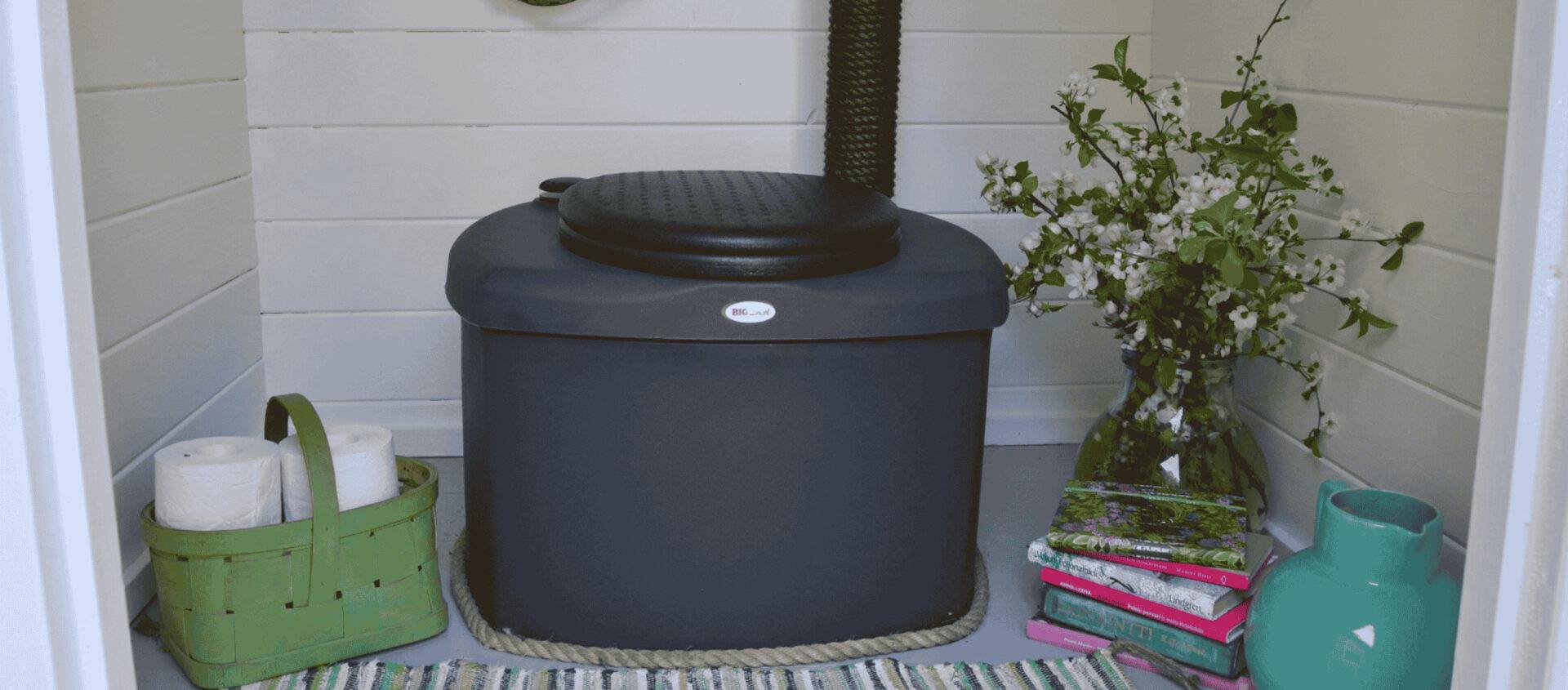
When people hear the term dry toilet or composting toilet, many still imagine an old-fashioned outhouse — smelly, messy, and unpleasant to use. But the truth is very different. Modern dry toilets are clean, odorless, easy to use, and better for the environment than traditional flush toilets.
In this article, we’ll dispel some common myths and show why today’s dry toilets are a smart choice for both cottages and permanent homes.
Myth 1: Dry Toilets Smell Bad
Reality: A properly designed dry toilet is odorless.
Modern dry toilets are equipped with effective ventilation systems that remove odors before they enter the room. The use of a high-quality bulking material helps absorb moisture and bind smells, keeping the compost mass airy and balanced.
Myth 2: Dry Toilets Are Unpleasant to Use
Reality: Today’s models are hygienic and comfortable.
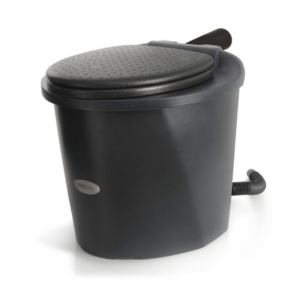
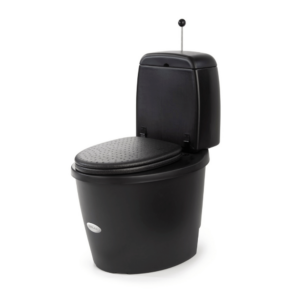
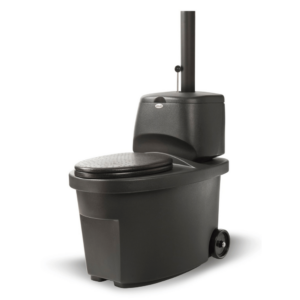
Biolan’s dry toilets are designed with the user in mind. The seat is comfortable and the emptying process is simple. In fact, most users are surprised by how easy and clean the experience is — whether at a summer cottage or even in a main residence.
Myth 3: Dry Toilets Are Difficult to Maintain
Reality: Maintenance is simple.
When properly set up, a dry toilet is easy to manage. Depending on the toilet model, solid waste can either be composted directly in the container or transferred later to a separate composter. Urine can be collected separately and, if desired, reused as a nutrient-rich fertilizer in the garden. Emptying the unit is quick and simple.
Myth 4: You Need Running Water or chemicals for a Proper Toilet
Reality: Dry toilets work perfectly without water or additives.
Modern dry toilets are designed to function entirely without flushing water or chemical treatments. Instead, they rely on natural composting processes supported by ventilation and bulking material. This makes them not only environmentally friendly but also ideal for off-grid locations, cottages, and homes aiming for sustainability. By removing the need for water and chemicals, dry toilets reduce both ecological impact and ongoing maintenance. An Ecological Choice with Real Impact
Switching to a dry toilet reduces water usage, lowers the load on wastewater treatment systems, and supports a more circular approach to resource use. It’s a simple step toward sustainable living — whether you’re building an eco-friendly home or upgrading your off-grid cottage.