WHAT TO DO WITH DISEASED FRUITS, LEAVES, AND PLANTS IN YOUR GARDEN
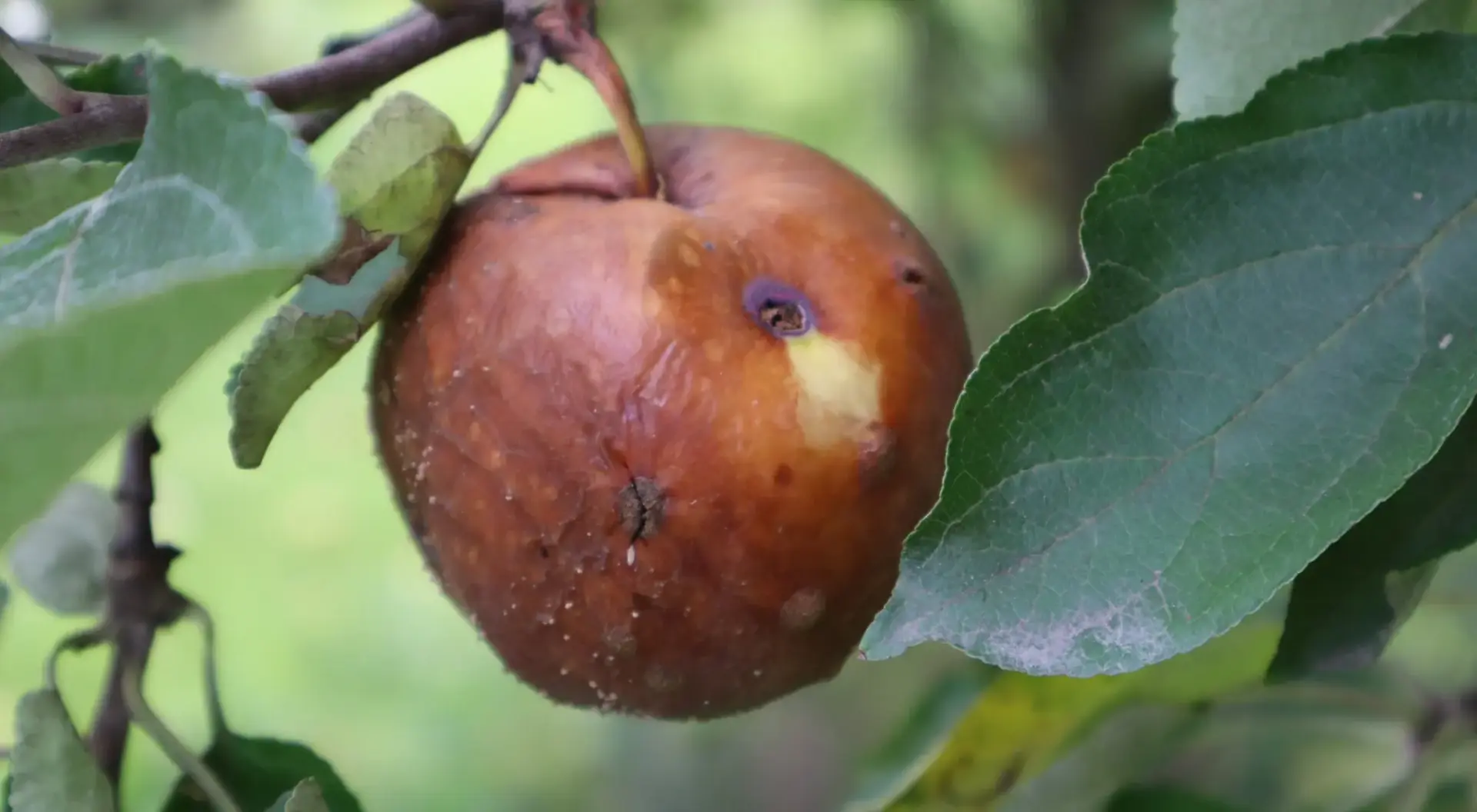
Every gardener faces the same problem sooner or later: what should I do with diseased or pest-infested plant material? Whether it’s mummified apples, scabby potato tubers, rusty currant leaves, or mildew-covered shoots, handling them properly is essential for keeping your garden healthy and preventing problems in the next season.
Remove Diseased Material Quickly
- Pick up mummified apples, spotted leaves, or infested shoots as soon as you notice them.
- Cut away infected branches to prevent the disease from spreading to healthy plants.
- Collect fallen fruit and leaves under trees and bushes — they are often full of spores and pests that survive the winter.
Compost with Care
Many gardeners simply throw diseased tomato plants or other infected waste into the trash, but this means losing valuable organic matter. Composting is a much better alternative — when done correctly, it not only recycles nutrients back into the soil but also destroys harmful fungi and insects.
In compost, natural fungi and bacteria break down diseased plant material and destroy pathogens such as the mycelium of apple “mummy disease.”
The hotter the compost, the faster this process happens. Once the compost soil is mature, no harmful spores remain.
To speed up decomposition, chop plant parts into smaller pieces and cover them well within the compost mass. This ensures that diseases and pests are destroyed and will not return to the garden through the finished compost soil.
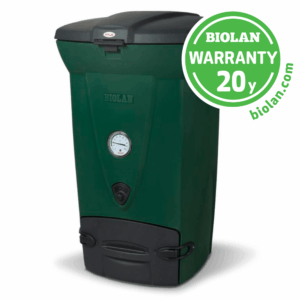
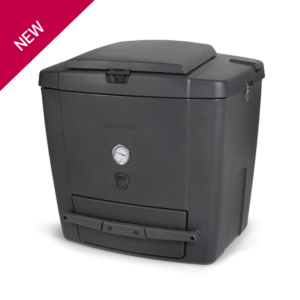
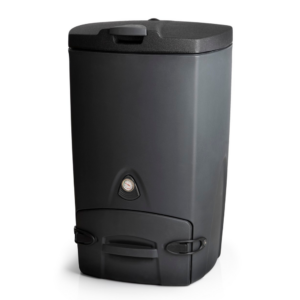
- A well-insulated composter, such as the Biolan Thermo Composter 220 eco, Biolan Thermo Biowaste Composter, or Biolan Thermo Composter 500, helps maintain high temperatures where harmful fungi and insects are eliminated.
- Always cover infected apples, leaves, or tubers deep in the pile with bulking material such as Biolan Compost and Toilet Bulking Material. This keeps the compost airy, balanced, and able to heat up properly.
What You Can Put into a Composter
It is safe to compost diseased and pest-infested material — provided it goes into a thermal or well-managed garden composter where heat and microbes destroy the pathogens. You can compost:
- Mummified apples
- Currant and gooseberry shoots and leaves with larvae or aphids
- Rust-infected currant and rowan leaves
- Plants with leaf-spot diseases or grey mold
- Scabby potato tubers
- Leaves damaged by velvet mites
- Currant branches with gall mites
- Strawberry plants and runners with mites
- Mildewed leaves and shoots
- Rot- and virus-infected potato tubers
Key Takeaway
Diseased and pest-infested garden waste does not need to be thrown away. With the right approach, it can be safely composted and turned into fertile soil that improves your garden’s health. By removing infected material quickly, placing it in a thermal composter, and balancing the compost with bulking material, you prevent harmful pathogens from spreading and ensure that only safe, nutrient-rich compost returns to your soil.
Don’t throw diseased plants in the trash — turn them into safe, fertile compost that strengthens your garden.